Tanglewood Houston Architecture Styles and Lot Patterns
May 7, 2026
May 7, 2026
Wondering why one Tanglewood home feels like a classic Houston ranch while another reads like a formal custom estate? That contrast is part of what makes this neighborhood so interesting for buyers and sellers alike. When you understand how Tanglewood developed, how its lots are shaped, and how its deed restrictions guide change, you can make more confident decisions about value, design, and long-term potential. Let’s dive in.
Tanglewood is a west-central Houston subdivision in the Galleria area, and its physical character has evolved over decades. According to the Tanglewood Homes Association, development began in 1949, and the neighborhood today includes about 1,220 lots across 23 sections. What started as prairie land became a tree-lined residential district with a distinctly established feel.
That long timeline matters because Tanglewood was not built in a single architectural wave. Instead, it developed in layers. As a result, you will often see original postwar homes, updated mid-century properties, and later custom rebuilds all within the same neighborhood.
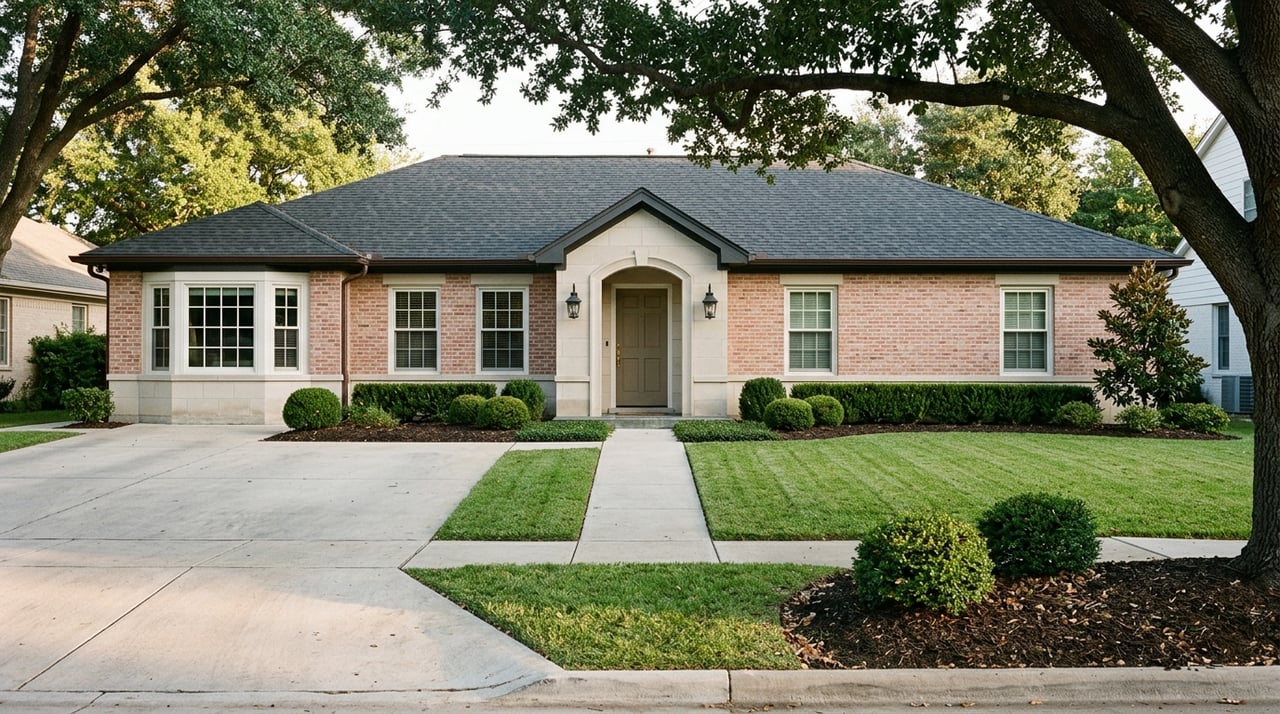
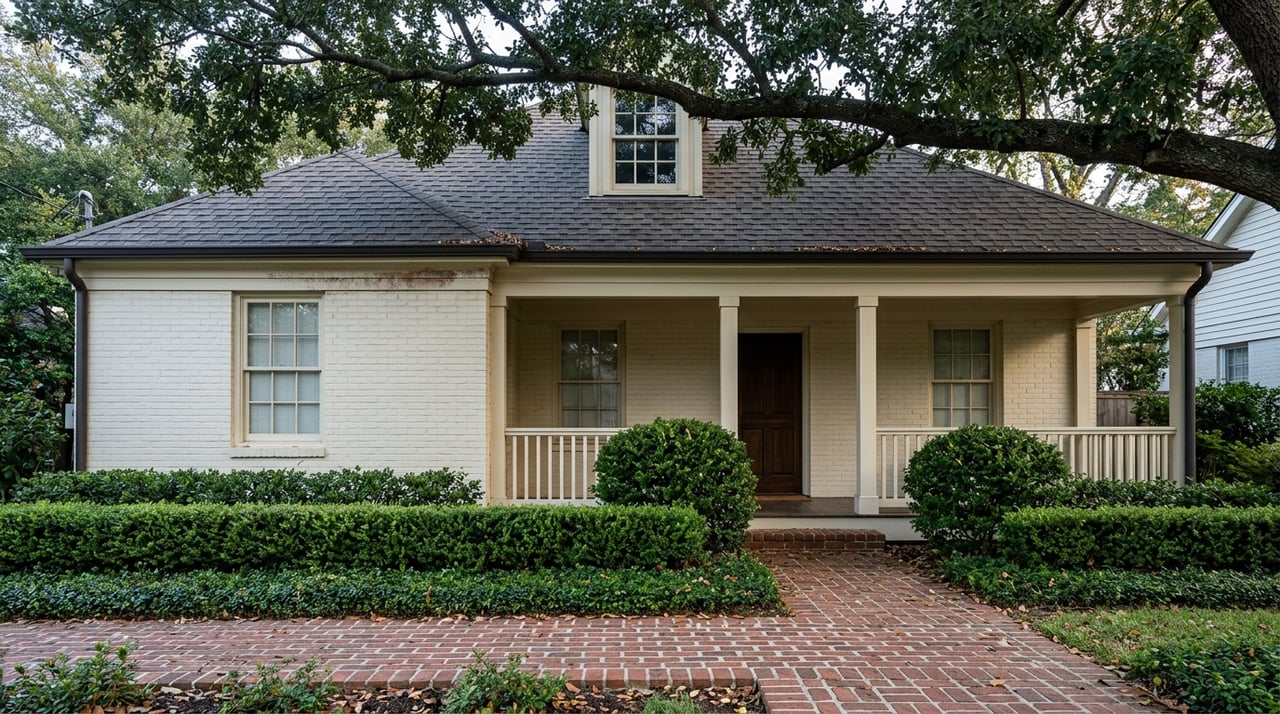
Tanglewood’s earliest housing stock was known for one-story ranch and mid-century homes on generously sized lots. Historic coverage describes the neighborhood as a place of oversized ranch houses, and local reporting has noted that many original homes sat on lots around 16,000 square feet. That combination of low-slung architecture and large parcels still shapes how many streets feel today.
These original homes often appeal to buyers who appreciate simpler rooflines, broad footprints, and flexible interior layouts. Ranch homes also remain relevant because they are generally easier to modernize than more rigid floor plans. In Tanglewood, that has helped many original properties stay useful and marketable over time.
For many buyers, a ranch home offers two advantages at once. You get the charm of Tanglewood’s earlier development pattern, along with a structure that may be easier to renovate or reconfigure. That helps explain why some owners choose to update existing homes rather than replace them entirely.
For sellers, this also matters in how a property is positioned. An original home may attract interest not only for its current condition, but also for its lot, footprint, and renovation potential within the rules that apply to that section.
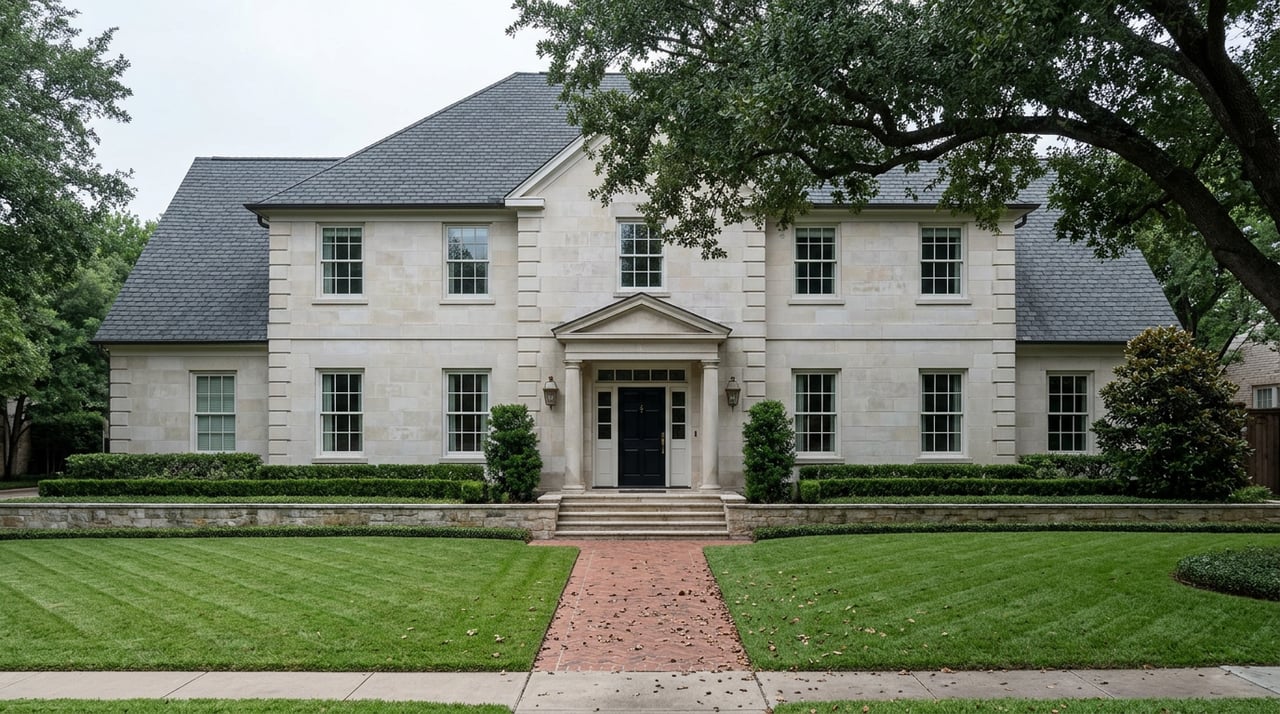
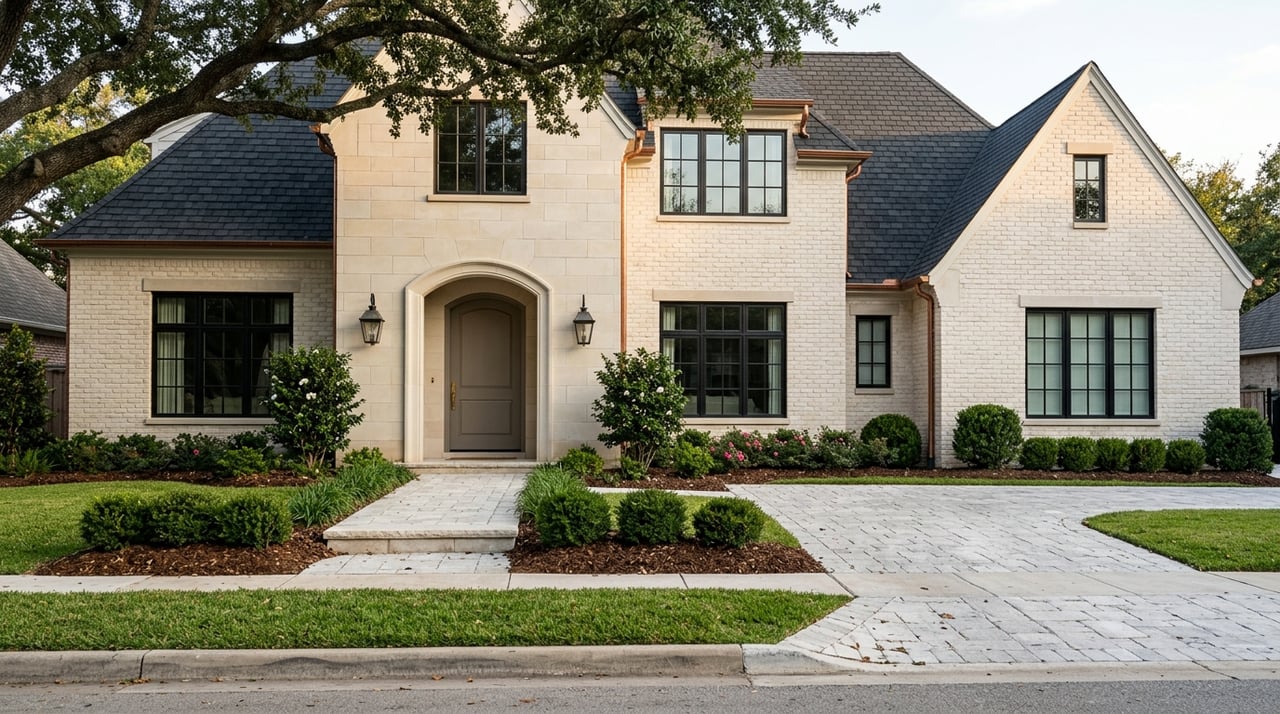
As Tanglewood matured, the visual mix shifted. Neighborhood history sources describe a move in the 1950s and 1960s toward larger two-story estates in Georgian, French, and Mediterranean styles. Later, local coverage pointed to a mid-1980s wave of much larger European-style homes.
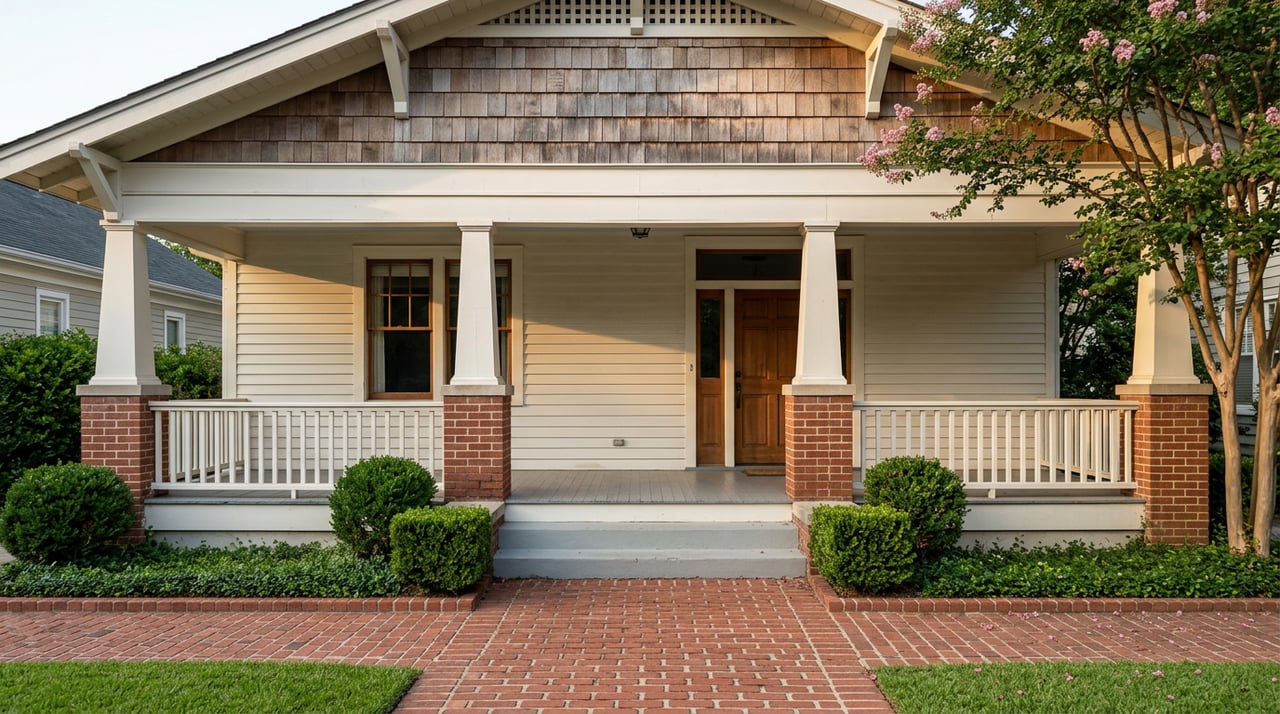
That is why Tanglewood does not read as a one-style neighborhood. Instead, it feels like a collection of architectural eras. You may find a one-story ranch next to a renovated original, followed by a more formal custom home with a taller profile and more traditional detailing.
If you are touring homes in Tanglewood, architectural style is only part of the story. A formal exterior may reflect a later rebuild, while a quieter street presence may indicate an original home that has been preserved or updated over time. Understanding that history can help you compare homes more fairly.
It also helps you focus on what truly drives future options. In many cases, lot dimensions, setbacks, and deed restrictions may matter just as much as the style you see from the curb.
One of Tanglewood’s strongest physical traits is its lot profile. Local market data for 2025 shows a median lot size of 16,500 square feet, which is large by Inner Loop standards. That lot scale is a big reason the neighborhood feels open, green, and established.
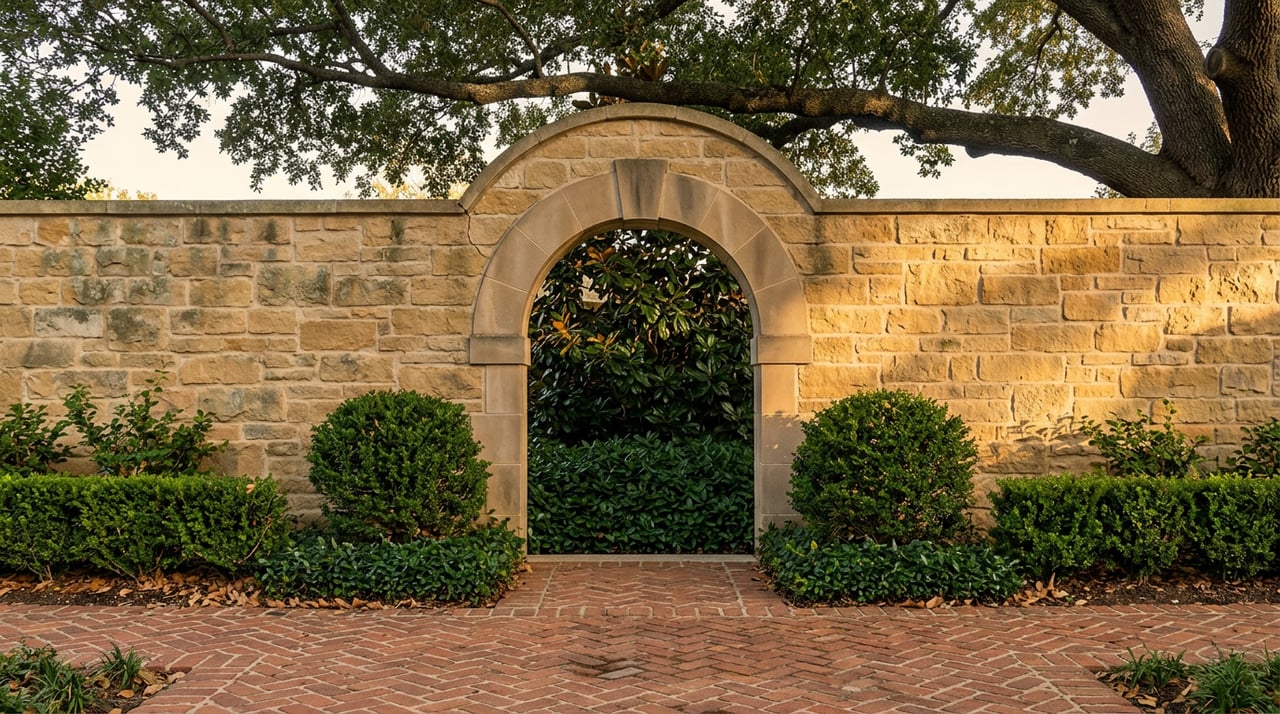
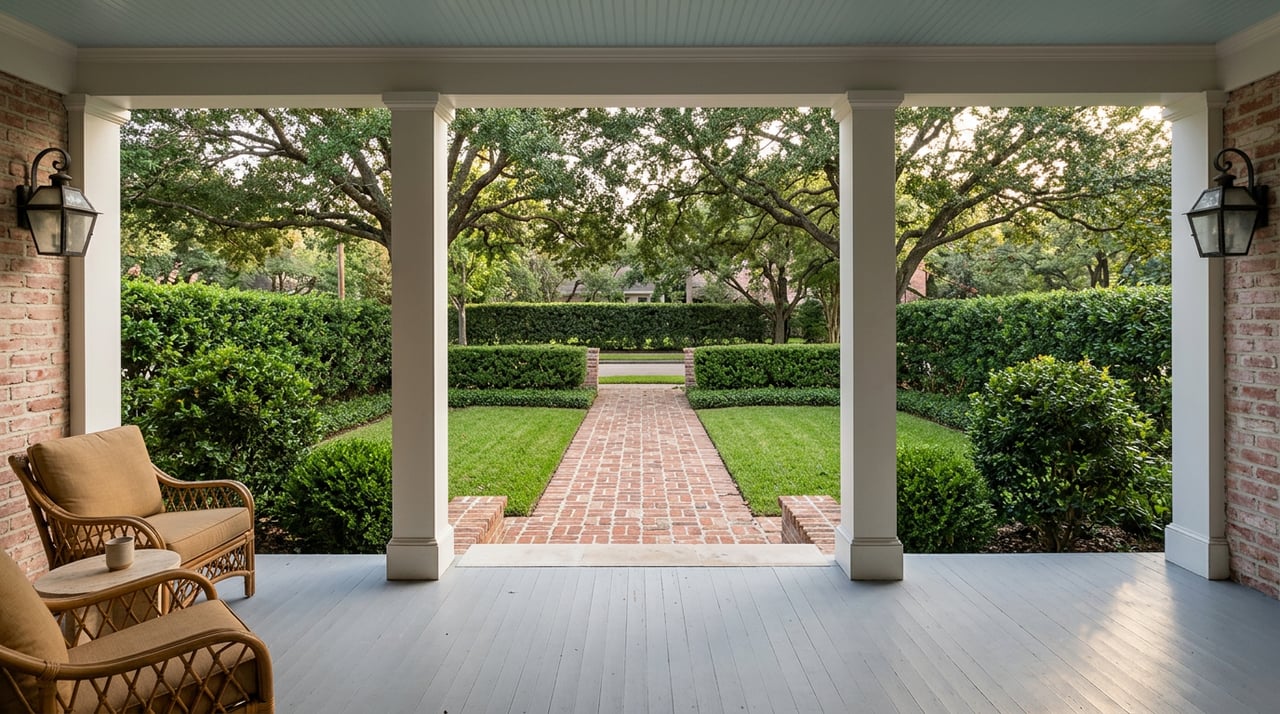
The streetscape adds to that effect. Coverage of the area highlights curving streets and mature live oaks, both of which contribute to Tanglewood’s visual identity. Instead of a tight, uniform grid, you get a setting shaped by generous spacing and a longstanding tree canopy.
Larger lots often create more options for how a property lives day to day. Deeper lots and broader setbacks can support more privacy, more lawn area, and additional room for outdoor features. In renovated homes, local coverage has highlighted features like pools, covered outdoor kitchens, and entertainment-oriented spaces.
For buyers, this means it is worth looking beyond square footage inside the house. The lot itself can shape how you use the property now and what may be possible later. For sellers, lot size and outdoor functionality can be central parts of the home’s appeal.
A key part of understanding Tanglewood is knowing that Houston does not have traditional zoning. In practice, Tanglewood’s built form is shaped mainly by recorded deed restrictions, neighborhood review, and city development rules. The City of Houston also notes that deed restrictions can vary by subdivision, section, or even by lot.
That point is especially important in Tanglewood. Two homes that look similar from the street may have different expansion or rebuild potential because they are governed by different restrictions. A buyer who wants flexibility should look closely at the specific lot, not just the architecture.
The Tanglewood Homes Association states that deed restrictions address items such as residential use, setbacks, roof and wall materials and colors, garage-door orientation, fence height and location, driveway entry, and signs. The association also notes that these restrictions were amended in 2002 and 2018 to address newer construction patterns.
That means design decisions in Tanglewood happen within a detailed framework. Whether you are planning a light renovation or evaluating teardown potential, the rules tied to that property can strongly affect what comes next.
Tanglewood can be especially attractive if you want both design continuity and long-term flexibility. In many cases, practical paths include interior reconfiguration, additions that fit the lot, or a teardown and rebuild that follows the neighborhood approval process. The right path depends on the house, the lot, and the restrictions attached to that section.
Before exterior work begins, the Tanglewood Homes Association requires approval. For new homes or additions, submittals must include scaled site plans, architectural drawings from all sides, exterior material descriptions, and sometimes tree and topographic surveys. The association also requires a Builders Deposit Agreement for exterior construction over $25,000 and for all pools.
Neighborhood review is only part of the equation. The City of Houston independently reviews site-plan issues such as lot-size requirements, setbacks, parking, and landscaping. That is why it is smart to evaluate not just the existing home, but also the remaining buildable envelope on the lot.
For buyers, this can help you avoid making assumptions based on lot size alone. For sellers, it can help you frame your home accurately if renovation or expansion potential is part of the property’s story.
If you are comparing homes in Tanglewood, a few physical details deserve extra attention. These features can affect both present enjoyment and future flexibility:
These details can tell you far more than style alone. In a neighborhood where restrictions can vary by section or lot, the most useful question is often not just, "Do I like this house?" but also, "How does this lot work?"
For buyers, Tanglewood offers a rare mix of architectural variety and lot scale in a close-in Houston setting. Some homes offer the charm and adaptability of original ranch construction, while others offer the finish and presence of later custom design. Understanding the difference can help you buy with more clarity.
For sellers, architectural context is part of proper positioning. A property’s value may be influenced by whether it is an original home ready for updates, a thoughtfully renovated residence, or a custom rebuild on a strong lot. In each case, knowing how the neighborhood’s architecture and lot patterns work together can support smarter pricing and stronger marketing.
In a neighborhood like Tanglewood, details matter. The age of the house, the dimensions of the lot, the surrounding streetscape, and the applicable restrictions all shape how a property lives today and how it may evolve in the future. If you want experienced, local guidance as you evaluate a purchase or prepare a sale, Holly Campbell Minter Properties offers thoughtful, data-driven advice tailored to Houston’s most established neighborhoods.
Stay up to date on the latest real estate trends.

Get In Touch With Our Team To Learn More