River Oaks vs Other Houston Neighborhoods: Which Fits?
July 23, 2026
July 23, 2026
Choosing between River Oaks and other close-in Houston neighborhoods is not just about price. It is about how you want to live, where you need to go most often, and what kind of housing character feels right for you. If you are weighing River Oaks against Tanglewood, West University Place, or Memorial, this guide will help you compare the tradeoffs with more clarity. Let’s dive in.
River Oaks has one of the most established identities in central Houston. It began in the 1920s as a 1,100-acre garden suburb with esplanades, underground utilities, rigid building codes, and architectural review. That early planning still shapes the area’s reputation today.
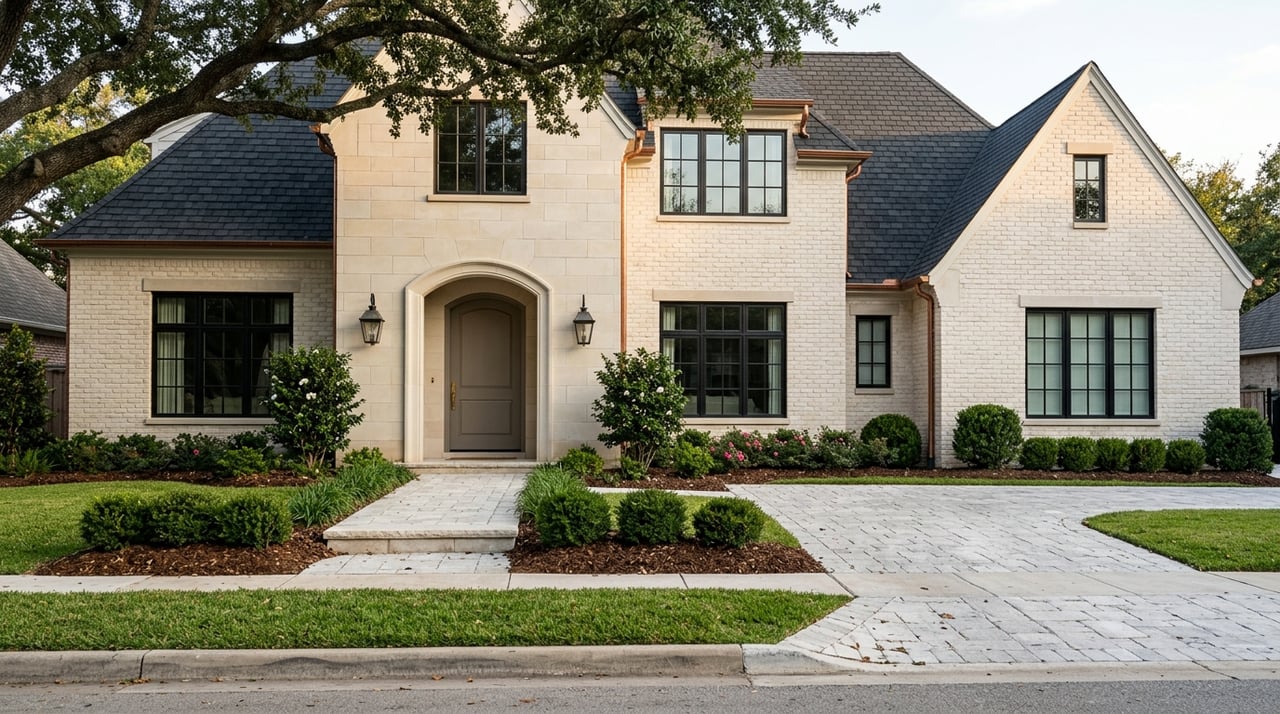
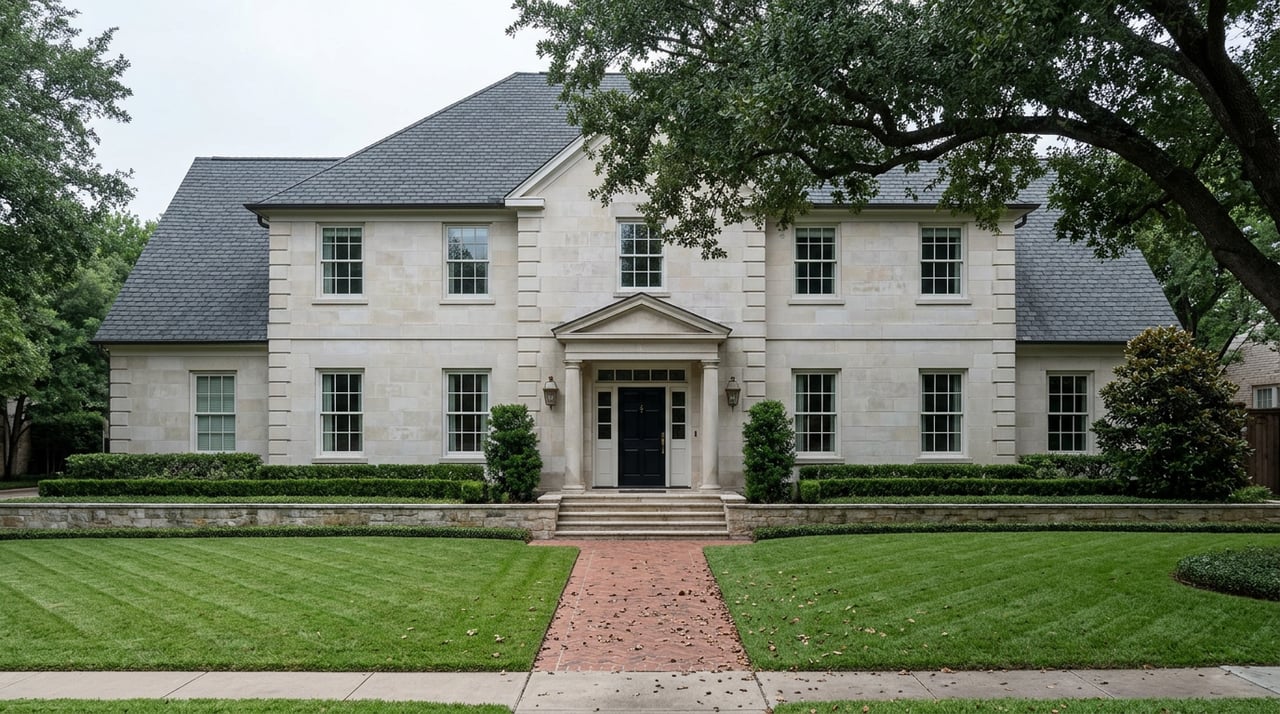
You also see more architectural variety here than many buyers expect. Historic records note styles including Georgian, Tudor, Dutch Colonial, and Mediterranean. That gives River Oaks a more layered streetscape rather than a single repeated look.
From a location standpoint, River Oaks is especially well placed for central Houston living. The City of Houston describes it as close to downtown, Uptown, and the Galleria, and it sits between the Galleria and Montrose. For many buyers, that means easier access to several major destinations instead of being tied to just one corridor.
In June 2026, River Oaks had a median listing price of $2.65 million, with 102 homes for sale and a median of 45 days on market. That points to a firmly luxury market with more available inventory than some nearby peers.
For buyers, that larger inventory pool can mean more choice in architecture, lot size, and location within the broader River Oaks area. For sellers, it means presentation and pricing matter because buyers often have options at this price point. In a market like this, local knowledge and precise positioning can make a real difference.
River Oaks offers a highly recognizable central Houston lifestyle. Key anchors include River Oaks Theatre, River Oaks Shopping Center, Highland Village, River Oaks District, and a dense mix of upscale dining. That blend gives the area both neighborhood identity and strong everyday convenience.
If you want a residential setting that still feels connected to shopping, dining, and cultural destinations, River Oaks checks many boxes. It tends to appeal to buyers who want prestige, history, and centrality in one package. That combination is hard to replicate elsewhere.
At first glance, River Oaks and Tanglewood look very similar on price. In June 2026, Tanglewood also posted a median listing price of $2.65 million. The difference is scale, with 38 homes for sale in Tanglewood versus 102 in River Oaks.
That smaller inventory base can make Tanglewood feel more constrained when you are searching for a specific lot, floor plan, or architectural style. River Oaks may offer more variety at the same general price tier. If optionality matters to you, that is worth noting.
Tanglewood began development in 1949 and has about 1,220 lots. Its original homes were largely ranch-style homes on many oversized lots, with newer construction and later sections added over time.
That gives Tanglewood a different origin story than River Oaks. River Oaks leans more historic and architecturally varied, while Tanglewood often reads as a Galleria-area neighborhood with a ranch-home foundation and a gradual pattern of reinvestment. Neither is better by default. It depends on whether you prefer legacy prestige and historic identity or a more Galleria-centered residential feel.
Tanglewood is especially well positioned for Uptown and Galleria routines. The surrounding district includes more than 700 retailers in two square miles, and The Galleria itself has more than 375 stores. For buyers who want fast access to that commercial core without living directly inside it, Tanglewood can be very appealing.
River Oaks is still strong for Uptown and Galleria access, but it reaches more naturally toward Downtown, Montrose, and other central neighborhoods as well. If your daily map stretches across central Houston, River Oaks may feel more balanced. If your center of gravity is clearly Uptown, Tanglewood deserves a serious look.
West University Place sits at a slightly lower entry point than River Oaks. In June 2026, West University Place recorded a median listing price of $2.0415 million, with 57 homes for sale and a median of 35 days on market.
That data suggests a premium market that still generally enters below River Oaks and Tanglewood. It also moved a bit faster based on median days on market. For buyers looking for a close-in location with a somewhat lower luxury threshold, West U can be an important comparison.
West University Place is an incorporated home-rule city, not just a neighborhood. Its planning documents emphasize preserving original housing stock, maintaining compatibility for replacement homes and additions, and protecting trees during construction.
In practical terms, that points to a more tightly managed neighborhood-city environment. If you value a built-out setting with defined local rules and a strong municipal identity, West U may stand out. River Oaks has its own historic planning legacy, but West U offers a different kind of structure through city governance.
West U is described as being just minutes from downtown Houston, the Galleria, and the Texas Medical Center. That makes it especially compelling for buyers whose routines center on the Medical Center, Rice, or the Museum District.
Its amenity profile also feels more neighborhood-oriented than retail-driven. The area is known for its park system, recreation center, Colonial Park, and city-run recreation amenities. Compared with River Oaks, West U may appeal more if you want a compact, park-focused setting over a luxury retail and dining backdrop.
Memorial is the broadest and most variable market in this group. The City of Houston describes it as a super neighborhood where development began in the 1950s, and the housing stock ranges from comfortable mass-produced homes to million-dollar estates.
That range matters because broad Memorial is not a single luxury enclave. It covers a wide span of price points and housing types. If you compare it to River Oaks without breaking it into subareas, the result can be misleading.
In June 2026, broad Memorial had a median listing price of $372,000, with 302 homes for sale and a median of 44 days on market. On paper, that looks dramatically lower than River Oaks.
But those numbers reflect the breadth of Memorial as a whole. They do not mean every part of Memorial competes with entry-level pricing. They mean the label covers a much wider market.
If you are trying to compare River Oaks with a premium Memorial-area option, Memorial Villages is the more relevant submarket. HAR reported a June 2026 median sold price of $2.975 million, with 27 transactions and a median of 13 days on market.
That is much closer to River Oaks and Tanglewood pricing, and in this snapshot it is even higher. It is a useful reminder that when someone says “Memorial,” you need to ask which part they mean before drawing conclusions.
Memorial is especially strong for west-side commuting and I-10 access. The area includes proximity to the Energy Corridor, CityCentre, Town & Country, and Memorial City. If your work and daily errands pull west, Memorial can be a more practical fit than River Oaks.
Lifestyle anchors are also different. Memorial Park offers 1,500 acres with trails, golf, and recreation, while Memorial City and CityCentre add major retail, dining, office, and medical uses. Compared with River Oaks, Memorial often offers a more west-oriented lifestyle pattern with broader variation from one subarea to the next.
If you are deciding among these close-in Houston areas, it helps to focus on four things first:
River Oaks often makes the most sense if you want a classic central Houston luxury address with strong historic identity, varied architecture, and excellent access to multiple core destinations. Tanglewood works well if your life revolves around the Galleria area and you want a similarly elevated price point in a smaller neighborhood setting.
West University Place can be a strong match if you prefer a compact, park-rich city environment close to the Texas Medical Center and other central destinations. Memorial may be the better fit if west-side access and subarea flexibility matter more, especially once you separate broad Memorial from premium pockets like Memorial Villages.
River Oaks remains one of Houston’s most recognizable close-in luxury markets for good reason. It combines architectural depth, central location, and a polished lifestyle backdrop that few neighborhoods can match in the same way.
Still, the best choice is the one that fits your daily life, not just the one with the strongest name recognition. If you want help comparing River Oaks with Tanglewood, West University Place, or Memorial at the property level, Holly Campbell Minter Properties can help you narrow the options with clear, data-driven local guidance.
Stay up to date on the latest real estate trends.

Get In Touch With Our Team To Learn More