How Historic District Lines Shape Heights Home Value
August 13, 2026
August 13, 2026
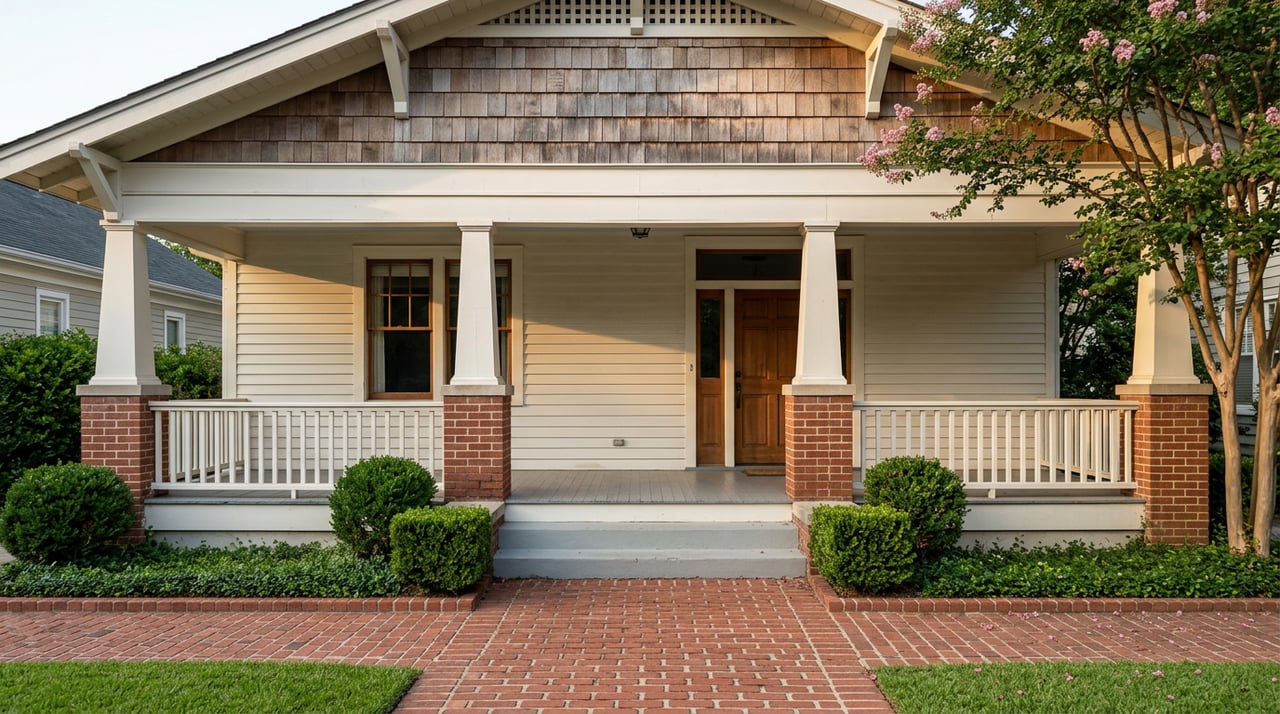
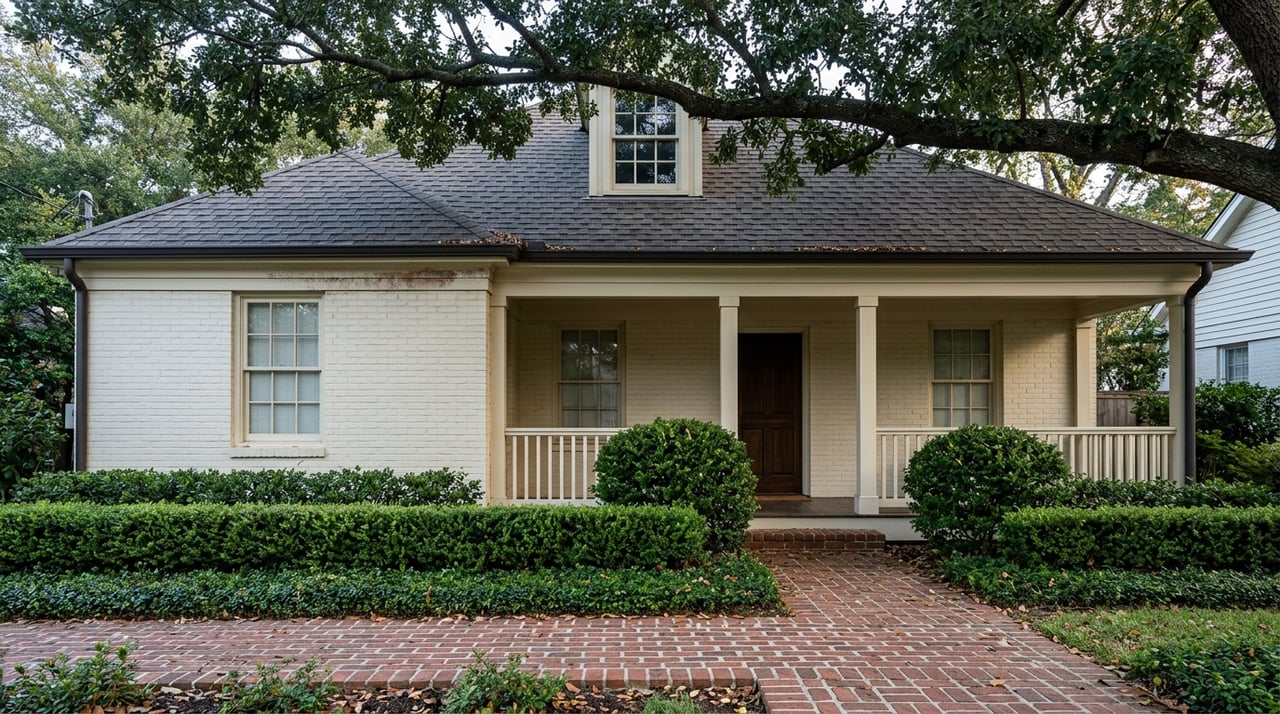
On February 12, 2026, the Houston Archaeological and Historical Commission spent part of its meeting on a single bungalow. The property at 1203 Tulane Street is a 1,558-square-foot, one-story house built in 1920, sitting on a 7,260-square-foot lot in the Houston Heights West historic district. The owner wanted to add a two-story addition to the back, tear off a non-original rear addition, and rebuild the porch with brick piers and columns to match the original. The application ran 24 pages. It specified an eave height of 19 feet 10 inches. It had to satisfy commission findings that the new work "avoid alterations that seek to create an earlier or later appearance" than the home's own 1920 construction date.
That is what a two-story addition costs in time and paperwork inside one of the Heights' historic districts. Two blocks outside the boundary line, the same addition needs a building permit and nothing more.
This is the fact that the median price on any listing site quietly erases. "The Heights" gets treated as one market with one number, but the boundary between regulated and unregulated ground runs through the middle of it, and the two sides behave differently enough that comparing them on price alone will mislead you.
Houston Heights started in 1891 as its own planned town, built by the Omaha and South Texas Land Company with deed restrictions that controlled setback, use, and size of construction from the beginning. Those restrictions gave the neighborhood a consistent look. When Houston annexed the Heights in 1918, the deed restrictions stopped being enforced, small houses filled in the gaps between large ones, and some large homes were converted into apartments. The neighborhood declined for decades before the Houston Heights Association organized in 1973 to reverse that slide, and the association today manages about 1,000 members and a set of newer deed restrictions across various sections of the neighborhood.
The city's response to that same decline was to draw historic district boundaries with legal teeth. Three separate Houston Heights Historic Districts exist today, each defined block by block: West, roughly bounded by West 16th Street, Yale Street, West 11th Street, and Ashland Street, covering 13 full blocks and 14 partial blocks; East, bounded by Heights Boulevard, Oxford Street, West 20th Street, and West 11th Street, covering 34 full blocks and nine partial blocks; and South, bounded by Heights Boulevard, Oxford Street, West 11th Street, and West 4th Street, covering 26 full blocks and 16 partial blocks.
The Houston Heights Association counts a fourth designation inside what it calls the broader Houston Heights Area: Woodland Heights, which holds its own separate historic district status, approved by Houston City Council in the same round of ordinances that protected Glenbrook Valley. Woodland Heights sits north of downtown, bounded roughly by Omar, Julian, Euclid, and Morrison Streets, outside the original Heights plat entirely but under its own version of the same review process.
Four lines. One neighborhood name on the sign.
Inside any of them, exterior work goes through the Houston Archaeological and Historical Commission. A Certificate of Appropriateness is generally required for new construction, additions, exterior alterations to existing structures, and demolition of contributing historic buildings. Demolition applications specifically must demonstrate hardship or structural necessity, and many demolition requests are denied to protect the district's integrity. The Houston Heights Association itself has no architectural review authority. Its Land Use Committee meets the first Monday of every month to comment on proposed projects before they reach the city, but the city is the one that actually enforces the rules.
The original 1891 plat did not cover everything that gets marketed as "the Heights" today. The city's own historic preservation records note that the neighborhoods east of Oxford Street were never part of the original Houston Heights plats, with different block sizes and lot configurations, and that many historic buildings west of Ashland Street were already demolished before any protection existed. Anything outside the mapped boundaries of West, East, South, or Woodland Heights, no matter how old the house on it is, does not require a Certificate of Appropriateness for a renovation, an addition, or a full teardown.
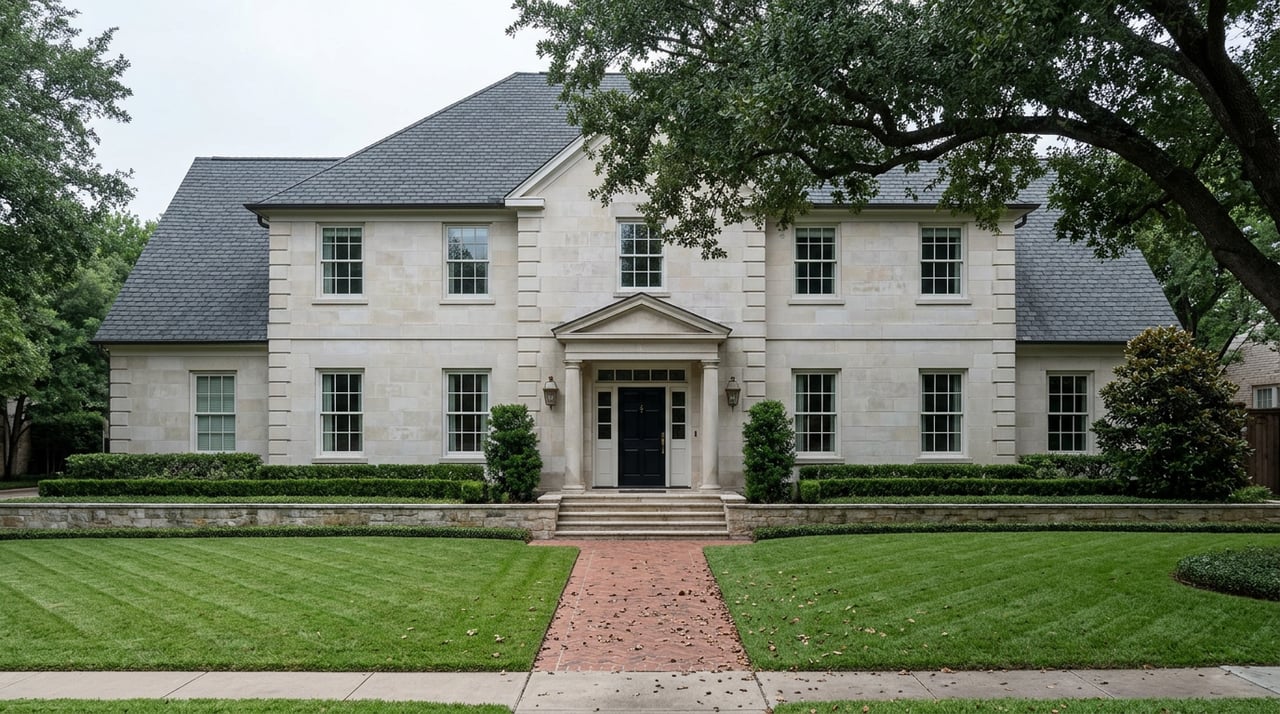
That distinction matters more than it sounds like it should, because Houston real estate listings and neighborhood boundary tools tend to group all of it under one "Greater Heights" label. A buyer scrolling a map-based search sees a contributing 1920 bungalow inside Houston Heights West and a brand-new spec-built infill two streets over inside the same colored polygon, with no indication that one required a commission hearing and the other required a standard permit.
Here is where the median stops telling a clean story. Redfin's data for the Houston Heights South Historic District, covering the three months ending March 2026, shows a median sale price of $1.3 million, down 1.2 percent from the same period a year earlier. Over that same window, the median sale price per square foot in that district was $354, up 3.5 percent year over year. Homes sold after 50 days on market, compared with 22 days a year earlier. Only 11 homes sold in that three-month window, up from 9 the year before.
Widen the lens to Redfin's broader "Greater Heights" boundary, covering the three months ending May 2026, and the numbers move in a different direction entirely: a median sale price of $699,000, up 3.6 percent year over year, with homes selling after 31 days on market compared with 24 days the year before, and 328 homes sold in May 2026 compared with 315 the year before.
Then there's Zillow's measure of the same broader Greater Heights area, updated as of June 30, 2026, which puts the average home value at $616,629, down 1.2 percent over the past year.
| Metric | Heights South Historic District (3 mo. ending Mar. 2026) | Greater Heights overall (3 mo. ending May 2026) |
|---|---|---|
| Median sale price | $1.3M, down 1.2% YoY | $699K, up 3.6% YoY |
| Price per square foot | $354, up 3.5% YoY | not separately reported |
| Days on market | 50, vs. 22 a year ago | 31, vs. 24 a year ago |
| Homes sold | 11, vs. 9 a year ago | 328 in May, vs. 315 a year ago |
Three numbers, three directions, none of them wrong. The historic district's own published window lags the broader neighborhood figure by about two months, which is itself a small tell: so few homes trade inside a 26-block historic district in any given month that Redfin needs a longer runway to publish a stable figure at all. That thin, slow pool is exactly why its price per square foot can climb even as its headline median falls. A handful of large, fully restored, high-cost-per-square-foot sales can pull the per-foot number up while a different mix of smaller transactions pulls the median price down in the same quarter. The broader Greater Heights figure, blending new infill, mid-century ranch stock along White Oak Bayou, and everything in between, moves on a different rhythm because it's averaging a much larger and more varied set of transactions.
For a buyer holding a Zillow tab open next to a Redfin tab and wondering why the same neighborhood shows a home value falling in one and a median rising in the other, this is the answer. They are not actually measuring the same market.
If you're looking at a contributing bungalow inside Houston Heights West, East, or South, plan around the commission process from the start. That means budgeting extra weeks for a Certificate of Appropriateness on any addition or exterior change, and understanding that a full teardown is not a given even if the structure needs significant work. It also means your eventual buyer pool skews toward people who specifically want that restored-bungalow character and are willing to work within it, which is part of why homes in that pocket now take more than twice as long to sell as they did a year ago, even as their per-square-foot value holds up.
If you're looking at a property just outside the historic boundary lines, whether that's a newer build or an original structure with more redevelopment flexibility, you're in a market with a different buyer pool entirely, including builders and buyers planning their own additions without a commission hearing standing between them and a permit.
Either way, the address matters more than the neighborhood name on the listing. Before you anchor on a median you saw on a portal, it's worth confirming which side of these lines the specific property actually sits on.
How do I find out if a specific Heights address is inside a historic district? The City of Houston's Planning and Development Department maintains an interactive historic preservation map covering all 23 of the city's historic districts and its more than 300 designated landmarks as of January 2026. The three Houston Heights districts and Woodland Heights are among them.
Does historic district status lower a home's value? The data doesn't support that. Price per square foot in the Heights South Historic District rose 3.5 percent year over year even as the overall pace of sales slowed, which points to a scarcity premium on restored, protected stock rather than a discount.
Can I tear down a contributing home inside a Heights historic district? Generally only by demonstrating hardship or structural necessity to the Houston Archaeological and Historical Commission, and many such requests are denied.
If you're weighing a bungalow inside one of the Heights' historic lines against new construction just outside it, that comparison is exactly the kind of groundwork Holly Campbell Minter Properties walks through before you write an offer or set a list price. Request a home valuation or reach out to talk through which Heights market you're actually buying or selling into.
Stay up to date on the latest real estate trends.

Get In Touch With Our Team To Learn More