Memorial Area Lot Value Pricing for a Smarter Listing
Real Estate Holly Minter June 11, 2026
Real Estate Holly Minter June 11, 2026
If you own a home in Memorial, one question can shape your entire sale: are buyers paying more for your house, your lot, or both? In this part of Houston, that distinction matters because housing stock, lot sizes, and redevelopment potential can vary widely from one street to the next. When you understand how lot value influences buyer interest, pricing, and marketing, you can build a listing strategy that feels more precise from day one. Let’s dive in.
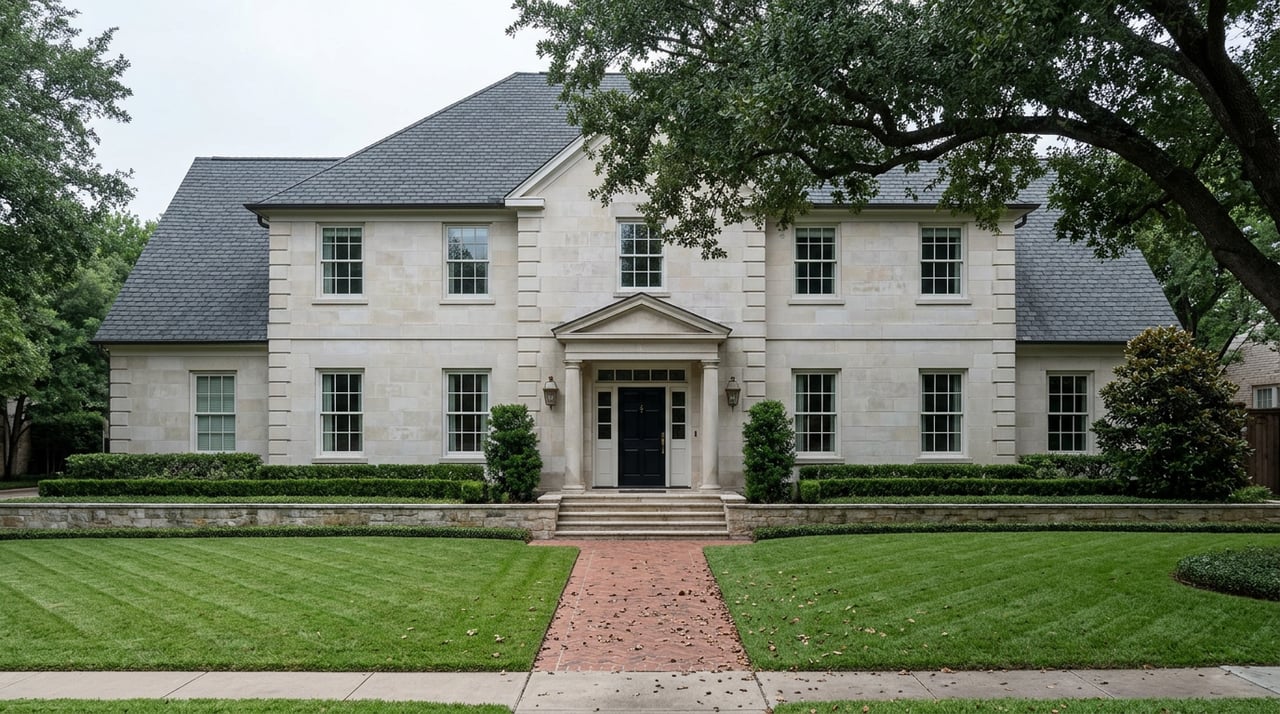
Memorial is a land-sensitive market with a wide range of housing types. The City of Houston describes the area as a long-established west-side neighborhood with residential development dating back to the 1950s, and a mix that runs from more modest older homes to large estate properties. That variety means the value of the land can sometimes matter just as much as the condition of the house sitting on it.
Another reason lot value matters is that development rules are not one-size-fits-all. Houston does not use zoning in the way many cities do, so property use and development are shaped through ordinances on things like subdivision, setbacks, parking, landscaping requirements, and access. On top of that, deed restrictions are recorded by subdivision, which means two homes in greater Memorial can have very different redevelopment possibilities.
It is also important to separate Memorial from the Memorial Villages. The Villages are independent municipalities with their own ordinances and permit processes, not simply a broader neighborhood label. If your property is in Houston proper versus one of the Villages, that difference can affect how buyers think about future plans for the site.
Harris Central Appraisal District separates land value from improvement value when assessing single-family property. Its residential cost approach estimates the replacement cost of the structure based on factors like size, age, quality, and construction type, then adds a separately determined land value. In simple terms, the house and the lot are not treated as one undivided asset.
HCAD also notes that residential land is measured against a neighborhood base lot. Smaller differences in lot size below that base often have limited effect on selling price, while site factors and other positive or negative influences can move land value up or down. That helps explain why two homes with similar square footage can attract very different levels of buyer interest.
For you as a seller, the practical takeaway is simple: lot value is not just about square footage. Usable size, shape, configuration, restrictions, and the market’s support for a newer or larger home all help determine how much weight buyers place on the land.
When buyers evaluate a Memorial property, they usually fall into one of three broad groups. Each group looks at lot value a little differently, and your listing strategy should speak to the right audience.
End users are buyers who want to live in the home as it is, or with modest updates. They tend to focus first on livability, layout, presentation, and day-to-day function. For these buyers, lot value still matters, but it usually plays a supporting role unless the lot offers something unusually appealing.
These buyers are often more focused on the site than the current structure. They look closely at lot shape, buildability, restrictions, and whether a future new-construction path appears realistic. If the existing home is dated and the lot is strong, this group may be your clearest target audience.
Hybrid buyers want both current usefulness and future upside. They may be happy to live in the home now while also appreciating the long-term value of the land. In Memorial, this can be an especially relevant buyer pool because the area includes both older homes and high-value replacement properties.
One of the most important decisions you will make is how to frame your property in the market. In Memorial, the best approach often comes down to whether the lot, the house, or both are doing the heavy lifting.
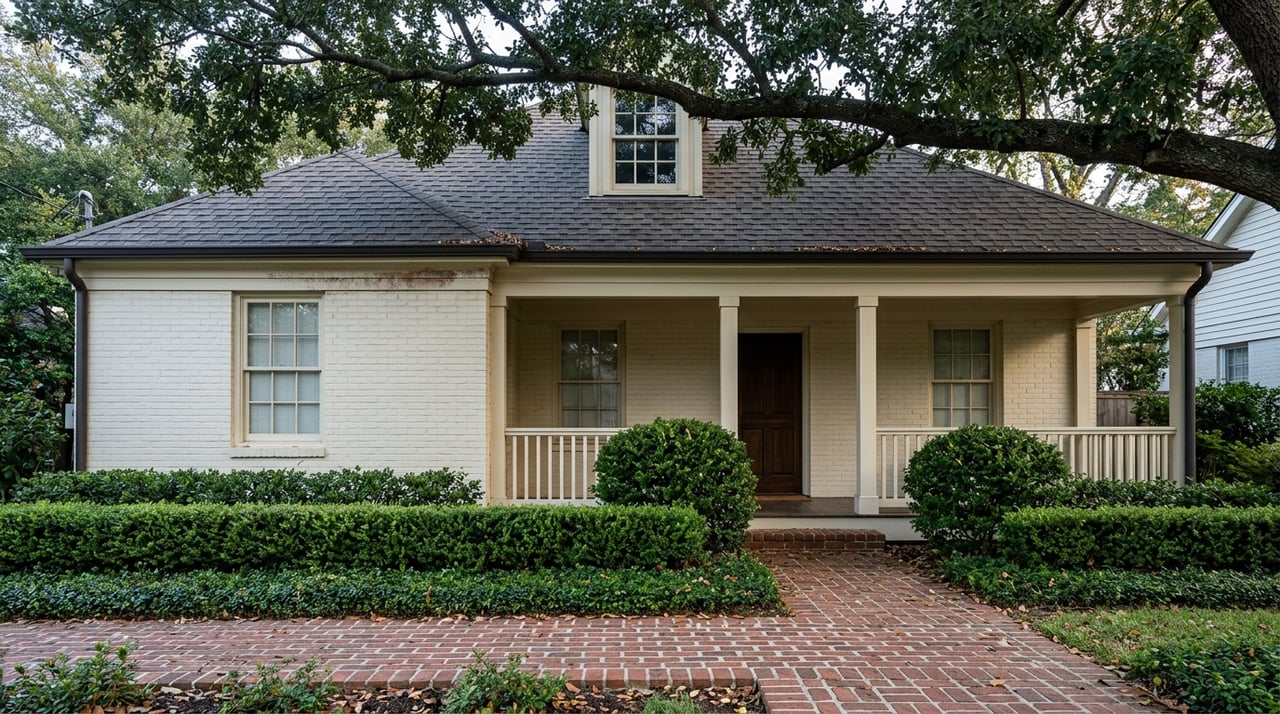
A lot-forward strategy can make sense when the existing house is clearly dated, the site is unusually strong, or the neighborhood supports redevelopment. In that case, your pricing, photos, and marketing message should help buyers quickly understand the opportunity. The emphasis becomes location, lot characteristics, and future potential rather than cosmetic details inside the home.
This does not mean overstating what can be built. It means presenting the property honestly and strategically, with careful attention to what local rules and recorded restrictions may allow or limit.
A home-forward strategy is often the better fit when the property is renovated, highly livable, or move-in ready, and the lot is relatively standard for the area. In that case, buyers are likely responding first to the home’s condition, design, and functionality. The lot still matters, but it should support the story rather than dominate it.
This is especially important if your likely buyer is an end user. If the home is your strongest asset, your listing should showcase presentation, updates, and livability first.
Sometimes the best answer is both. If your house shows well and your lot is also a meaningful asset, a blended strategy can widen your buyer pool. You can attract buyers who want a move-in-ready home today, as well as those who appreciate the long-term value of the land.
In a mixed housing market like Memorial, this balanced approach is often the smartest path. It gives you flexibility without forcing the property into the wrong category.
The broader Houston market matters when you decide how aggressively to price a Memorial listing. According to HAR’s March 2026 market update, Houston had 4.7 months of inventory, 67 days on market, and the $1 million-and-up segment was down 4.5% year over year. That suggests premium sellers should expect more price sensitivity than in a highly competitive frenzy market.
For Memorial sellers, that means a lot-value story still has to be supported by realistic pricing. Even if your property has strong land value, buyers may be more selective about what they will pay, especially when redevelopment costs, timing, and uncertainty are part of their decision. Strategic pricing helps keep your listing relevant to both serious end users and buyers looking at land potential.
Many sellers look at their appraisal notice and assume it should closely match what the home will sell for. In reality, HCAD states that its market value reflects what the district believed the property was worth on January 1 for appraisal purposes. That is very different from a live listing strategy built around current buyer demand, competition, and property positioning.
This distinction matters even more in Memorial, where land and structure may contribute to value in uneven ways. A tax record can be one data point, but it does not replace a pricing strategy tailored to how buyers are likely to view your property right now.
Before your home goes on the market, it helps to step back and ask a few practical questions. The answers can shape everything from pre-listing updates to how your property is presented online.
Think beyond raw square footage. Is the lot shape usable? Does the site appear to support the kind of home buyers want in that section of Memorial? Are there local rules or deed restrictions that could make future plans easier or harder?
An updated, well-presented home can expand your buyer pool. A dated home may narrow it, unless the lot is compelling enough to shift the focus. Being honest about where the real value sits helps avoid a confused marketing message.
The answer depends on whether buyers are likely to value the structure or treat it as secondary to the land. If your listing is fundamentally a lot-value play, major cosmetic spending may not produce the return you hope for. If the home is central to the sale, thoughtful presentation and selective improvements can matter much more.
In a market like Memorial, generic pricing and generic marketing can leave money on the table. A listing that should have been presented as a redevelopment opportunity may miss the right buyers if it is marketed only as a traditional resale. On the other hand, a beautifully updated home can lose momentum if the presentation focuses too heavily on land and not enough on livability.
That is why careful positioning matters. When your strategy reflects how buyers actually value the lot and the structure, your pricing, staging decisions, and marketing become more aligned. The result is a stronger first impression and a clearer path to the right offer.
If you are thinking about selling in Memorial, the most effective first step is to understand what buyers are really likely to pay for on your specific property. That kind of analysis can shape every decision that follows, from pricing to presentation to negotiation. To discuss your home with a tailored, data-driven approach, connect with Holly Minter.
Stay up to date on the latest real estate trends.
Real Estate

Get In Touch With Our Team To Learn More