Staging Your West U Home While You Still Live There
June 18, 2026
June 18, 2026
If you are selling in West University Place, you do not need to move out to make your home look market-ready. In fact, a smart live-in staging plan can help your home feel polished, calm, and photo-ready without turning daily life upside down. With West U homes often making a strong first impression online and recent local data showing a median of just 6.5 days on market for single-family homes in May 2026, the goal is to focus on what matters most and do it well. Let’s dive in.
West University Place is a small, high-value inner-loop city with a 2025 population estimate of 15,158 and an owner-occupied housing rate of 93.3%. Census data also shows a median owner-occupied home value of $1.472 million and median household income above $250,000, which helps explain why buyers often expect homes here to feel carefully maintained and move-in ready.
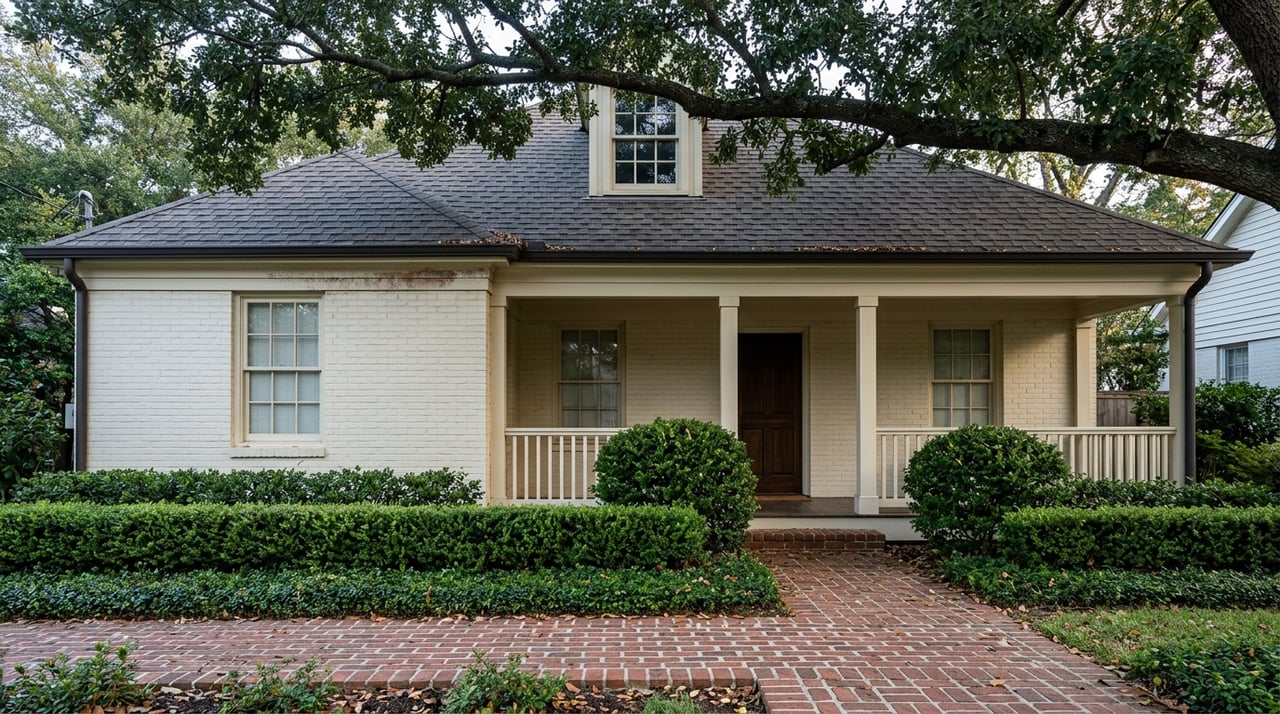
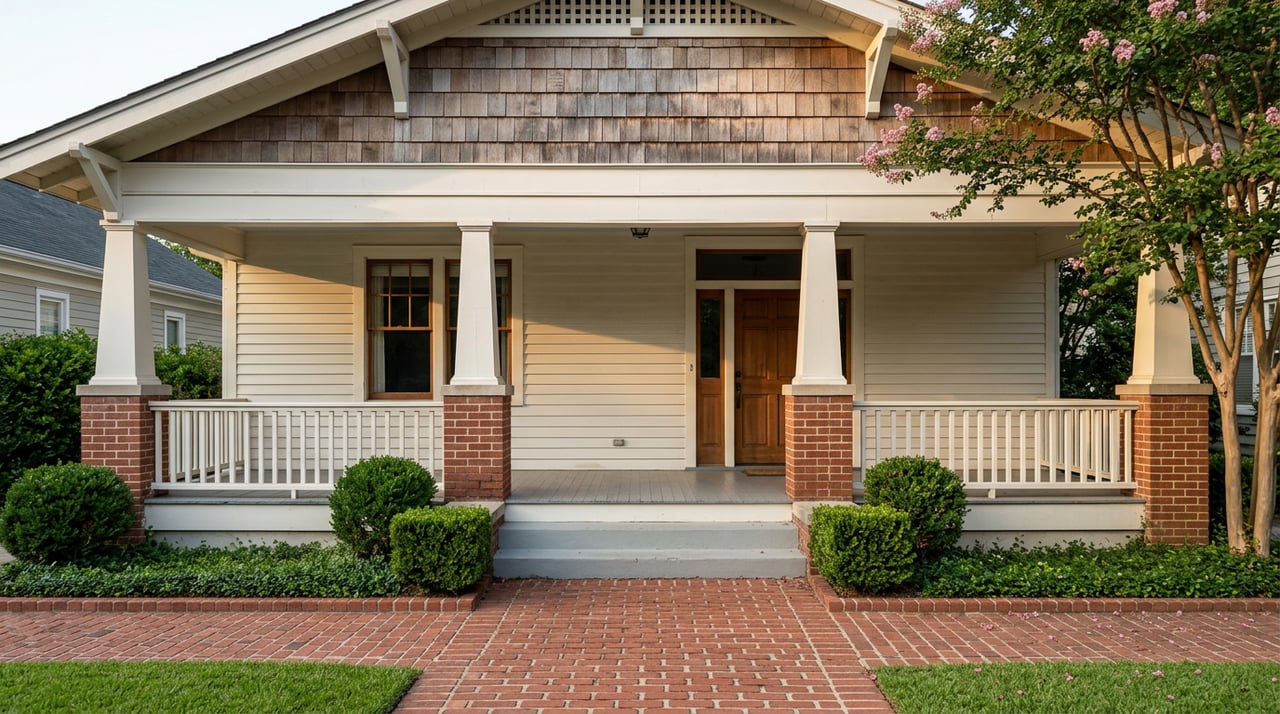
West U also has a distinct housing mix. The city’s comprehensive plan notes that many original homes were cottages and bungalows, while many others were later replaced by larger custom homes. That means staging should support the character of the home, not fight it. A restrained, edited look usually works better than anything too styled or overly personal.
If you are still living in the house, you do not need to fully stage every room. The 2025 Profile of Home Staging from NAR found that many sellers’ agents focus on decluttering, whole-home cleaning, and curb appeal rather than complete staging throughout the property.
That is good news if you want a practical plan. NAR also found that staging helps buyers visualize a home, and staged homes often spend less time on the market. In other words, you can make a meaningful impact by editing the home thoughtfully, even if you are not bringing in furniture for every room.
NAR identified the living room, primary bedroom, and kitchen as the most important rooms to stage. If your time, budget, or energy is limited, start there. In a fast-moving market like West U, those spaces often carry the most weight in listing photos and early showings.
A helpful way to think about it is this: stage for visibility first. Focus on the spaces that will be photographed, remembered, and compared. Then make lighter edits in the secondary rooms.
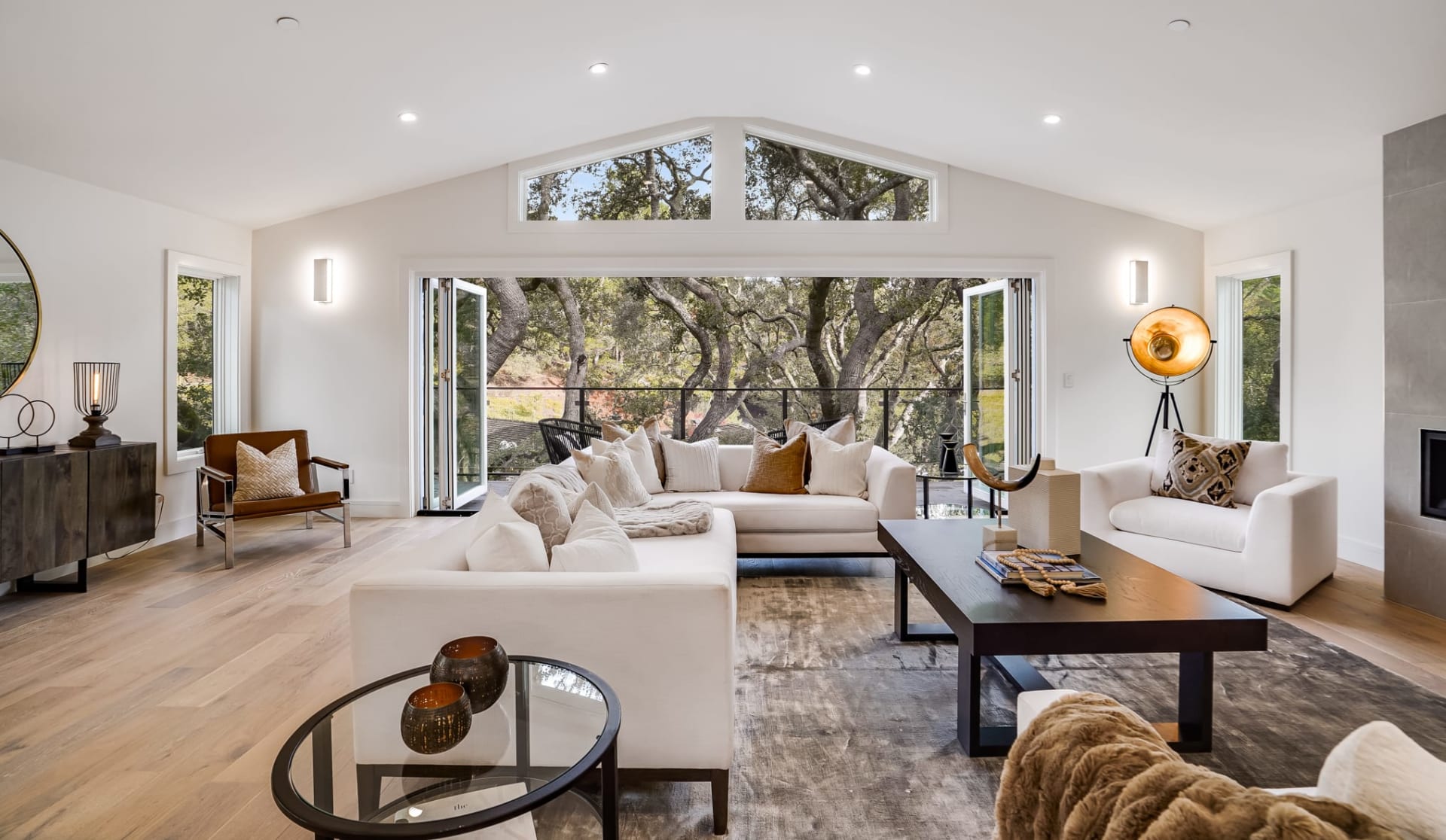
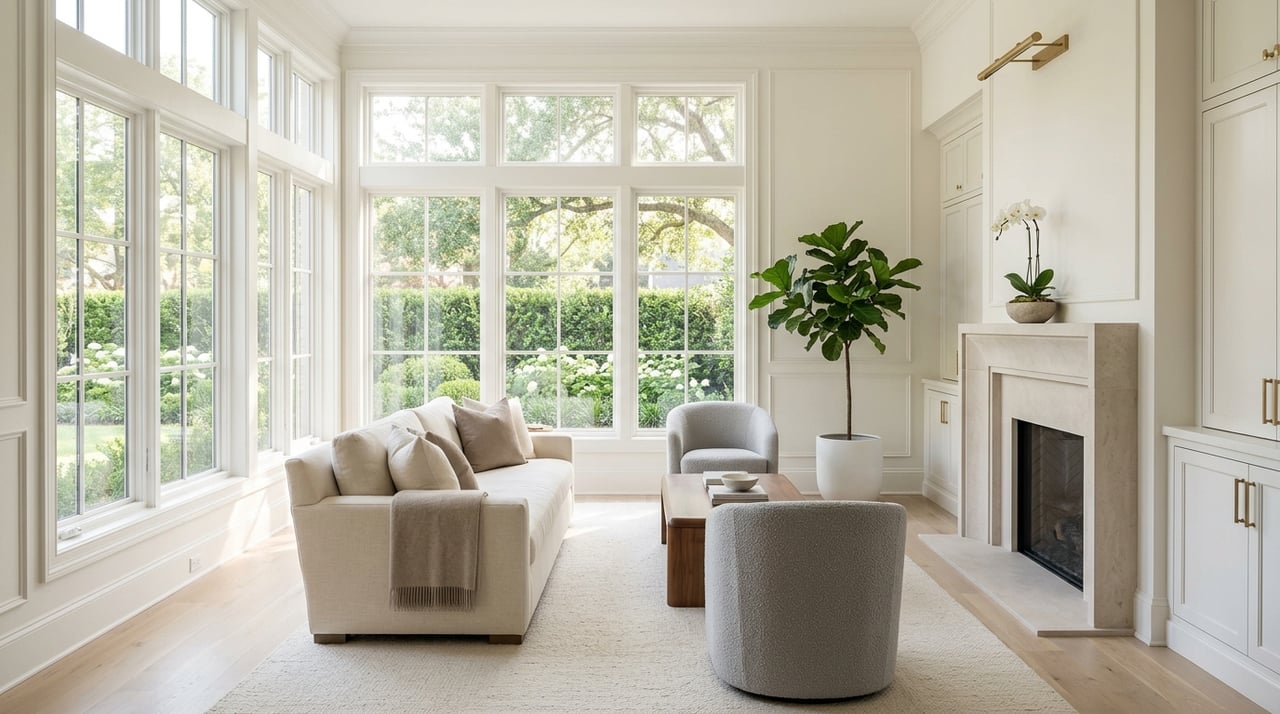
The living room should feel open, balanced, and easy to walk through. In a lived-in home, that often means removing one extra chair, side table, or oversized accent piece so the room reads larger and calmer in photos.
Clear visible cords, reduce tabletop items, and simplify shelves. A few neutral pillows or a clean throw can finish the room without making it look overdone. The goal is to show scale, light, and flow.
Your primary bedroom should feel restful and spacious. Simple bedding, clear nightstands, and minimal decor usually do more than layered styling when you are living in the home.
Before photos and showings, store laundry baskets, exercise equipment, and personal collections. Let the bed be the focal point. Buyers should walk in and immediately understand the room’s purpose and proportions.
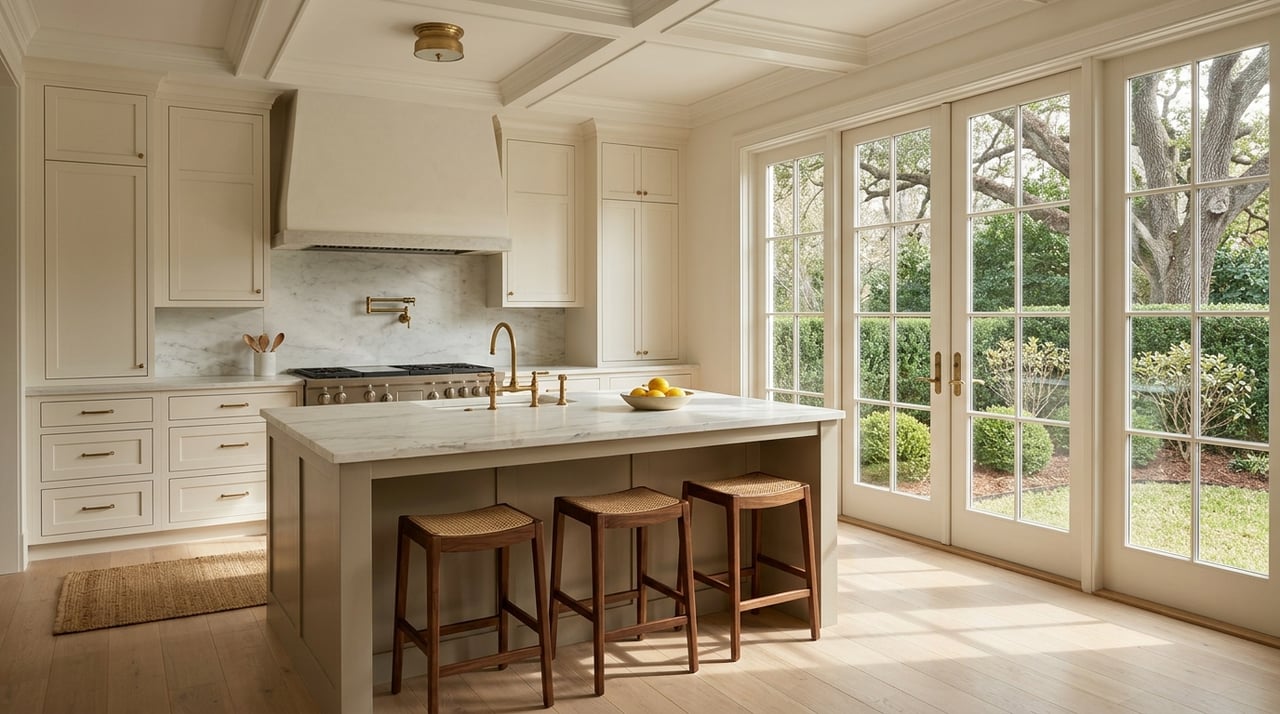
Kitchens tend to perform best when they look clean, bright, and uncluttered. Clear the countertops as much as possible, hide small appliances, and remove anything that adds visual noise.
If your dining room has become a homework zone or overflow office, reset it to its intended use. Buyers do not need to see every way you have made the home work for your life. They need to understand the layout and imagine how they would use it.
Guest rooms, children’s rooms, and flex spaces do not usually need heavy staging. According to NAR, these are among the least important spaces to stage, so a light reset is often enough.
That means defining each room clearly, reducing extra furniture, and removing clutter from floors and surfaces. If a room is a bedroom, make it look like one. If it is a study or playroom, make that function easy to read at a glance.
Bathrooms should be deep-cleaned and stripped of personal products. Clear counters, fresh towels, and a simple mirror area help the room feel brighter and more spacious.
Closets and storage areas matter too. Buyers are not looking for perfection, but they do want to see organized capacity. If closets are packed, remove enough so shelves and hanging space feel usable rather than overstuffed.
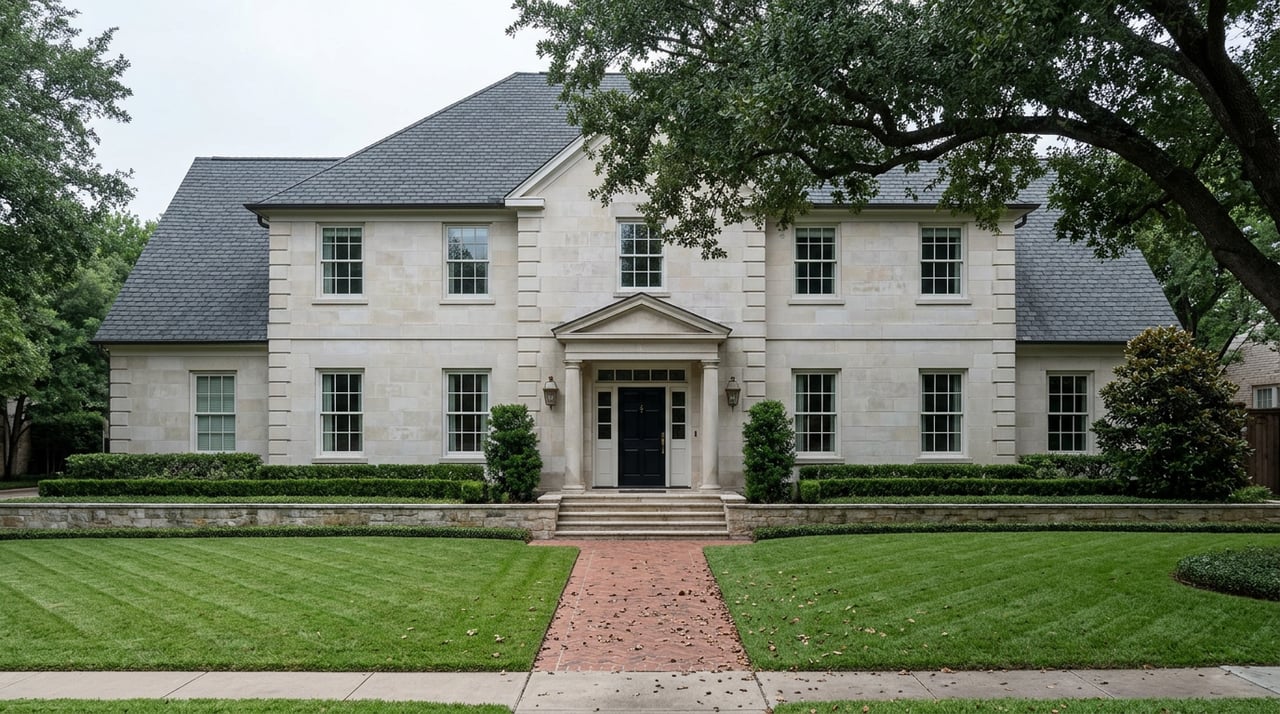
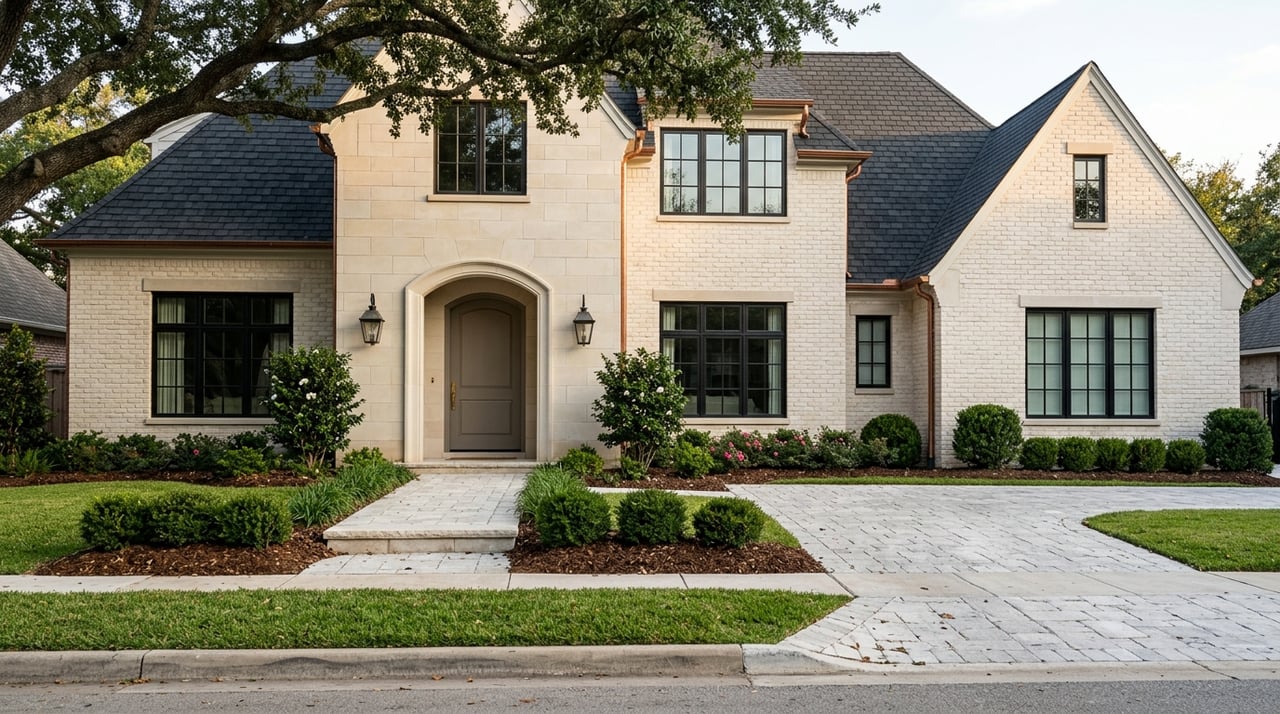
In West U, the exterior carries real weight. The city describes itself through tree-lined streets, well-maintained homes, and a strong residential character, so your front approach should feel cared for from the curb.
Sweep the entry, check the lighting, trim landscaping, and simplify what sits near the front door. Hide hoses, toys, and anything that makes the exterior feel in progress. Even small improvements can help the home feel more polished in both photos and in-person visits.
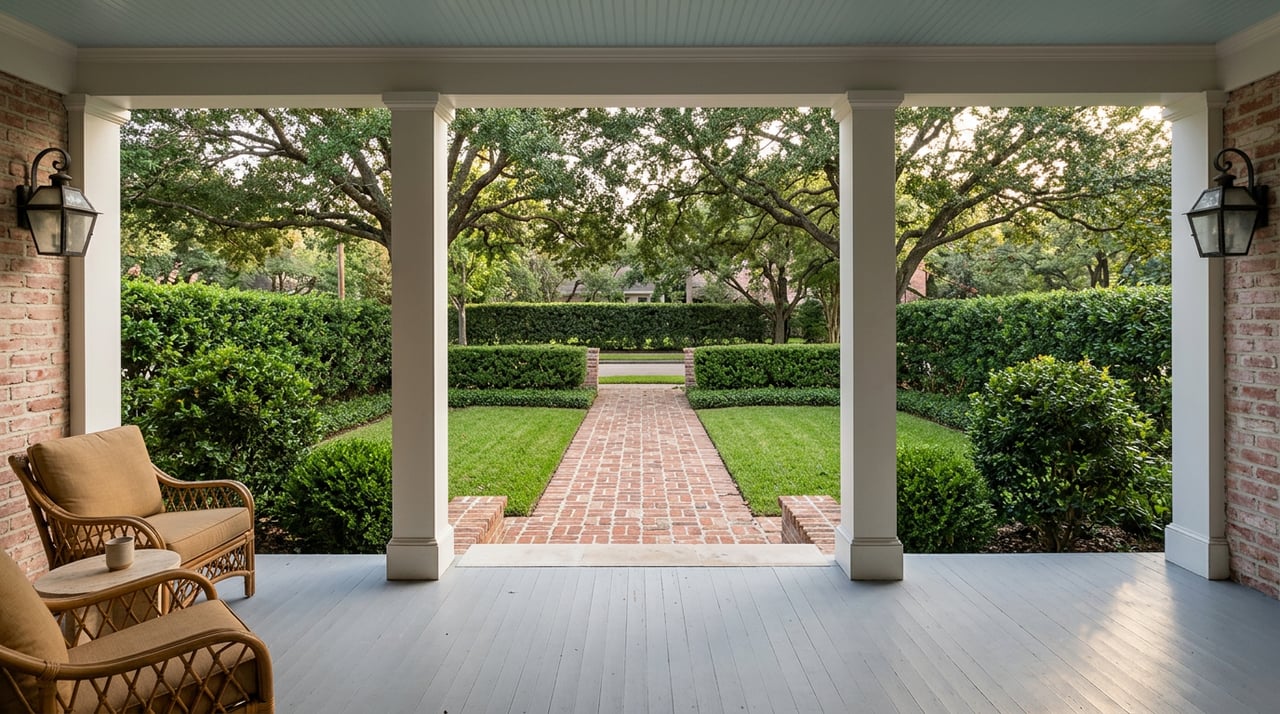
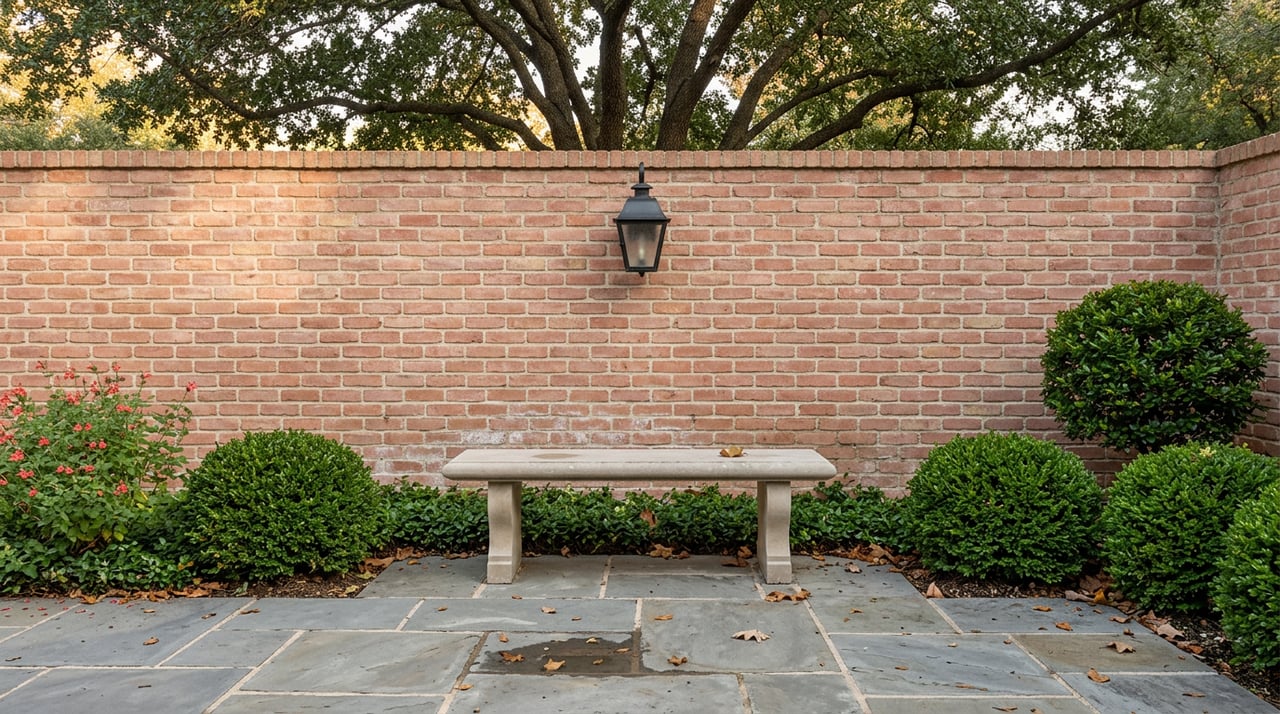
Patios, backyards, and side yards should feel intentional. You do not need elaborate styling, but you do want the space to read as usable and maintained.
Straighten outdoor furniture, clear away loose items, and make the yard look tidy and ready to enjoy. In a neighborhood where exterior presentation matters, these details support the overall impression of the property.
For many buyers, the first showing happens online. NAR reports that listing photos are one of the most important marketing tools, which means your home should be fully decluttered and cleaned before photography is scheduled.
Think of photo day as the finish line for staging prep. The highest-priority spaces should be fully ready first: the entry, living room, kitchen, primary suite, and exterior. Once those rooms are right, you can fine-tune the rest.
Many sellers wonder whether they should take on updates before going live. In West U, it is smart to be selective. The city requires permits for many types of building, plumbing, mechanical, electrical, stormwater, and floodplain work, and for more complex plan review, the city says processing can take about 10 to 15 business days when submissions are accurate.
That does not mean you should skip improvements. It means cosmetic changes are often easier to fit into a pre-listing timeline than projects that may trigger permit review. If you are considering work before listing, confirm requirements with the city before getting started.
Here is a simple way to keep the house show-ready while you still live there:
Not every West U listing needs full-service staging, but some benefit from outside help. NAR found that among agents who used professional staging, the median spend was $1,500. The same report says design quality and price were the biggest factors when choosing a staging company.
For a live-in seller, coordination matters just as much. You want a clear plan, a defined budget, and changes that support daily life while elevating presentation. That is often where experienced listing guidance can make the process feel more manageable.
The best live-in staging strategy for West U is usually not dramatic. It is thoughtful, edited, and photo-first. When your home looks calm, cared for, and easy to picture living in, buyers can focus on the architecture, layout, and lifestyle your property offers.
If you are preparing to sell in West University Place and want a clear, tailored plan for staging, pricing, and presentation, Holly Campbell Minter Properties offers hands-on guidance designed to make the process feel seamless.
Stay up to date on the latest real estate trends.


Get In Touch With Our Team To Learn More